What We Heard: Community Input on Washington’s Housing and Homelessness Priorities
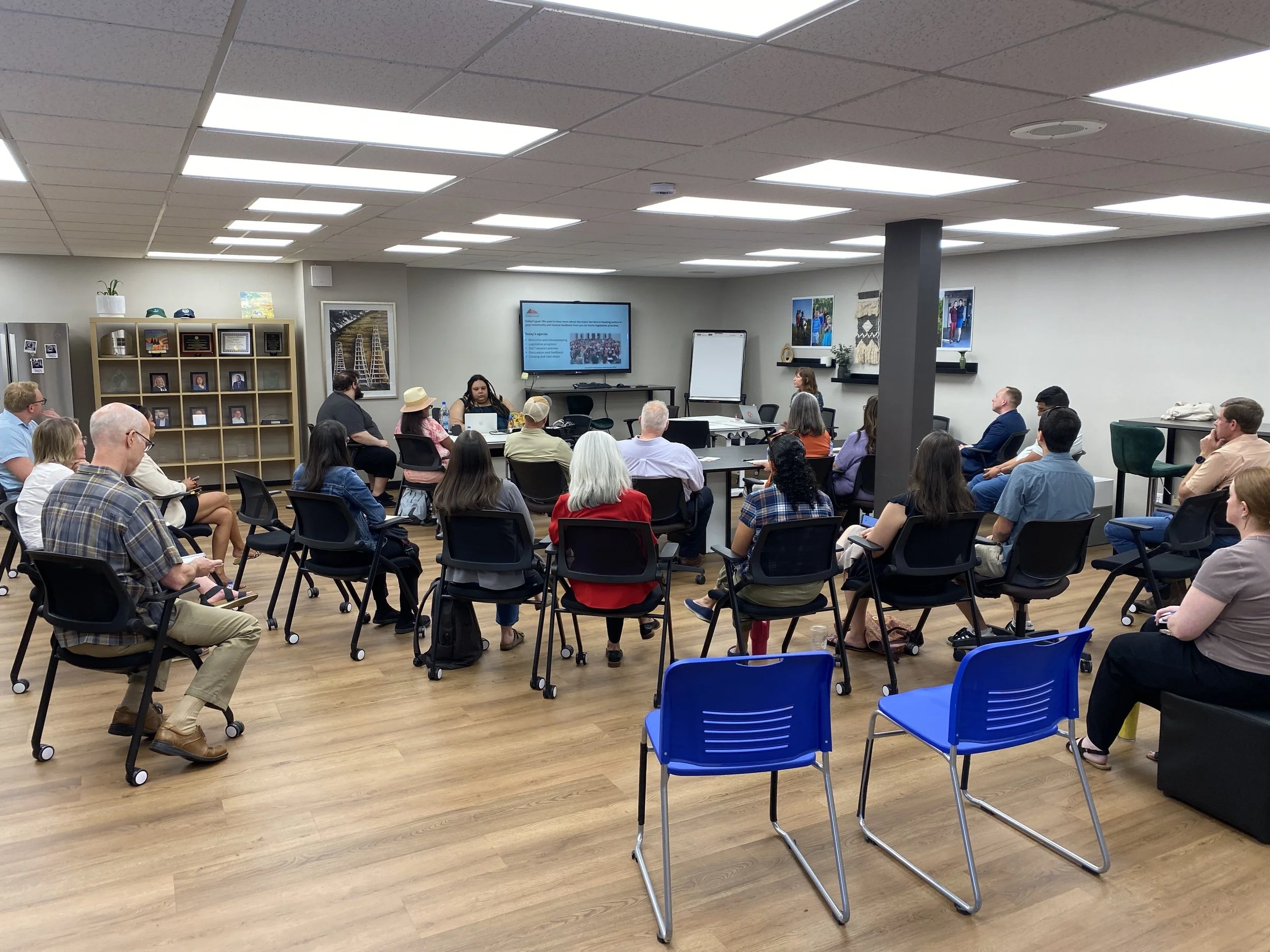
Community forum in Yakima
What would make the biggest difference in addressing housing and homelessness in Washington? This spring and summer, the Housing Alliance asked people across the state to share what they’re seeing in their communities, what challenges they face, and what they believe should be our priorities for 2027 and beyond.
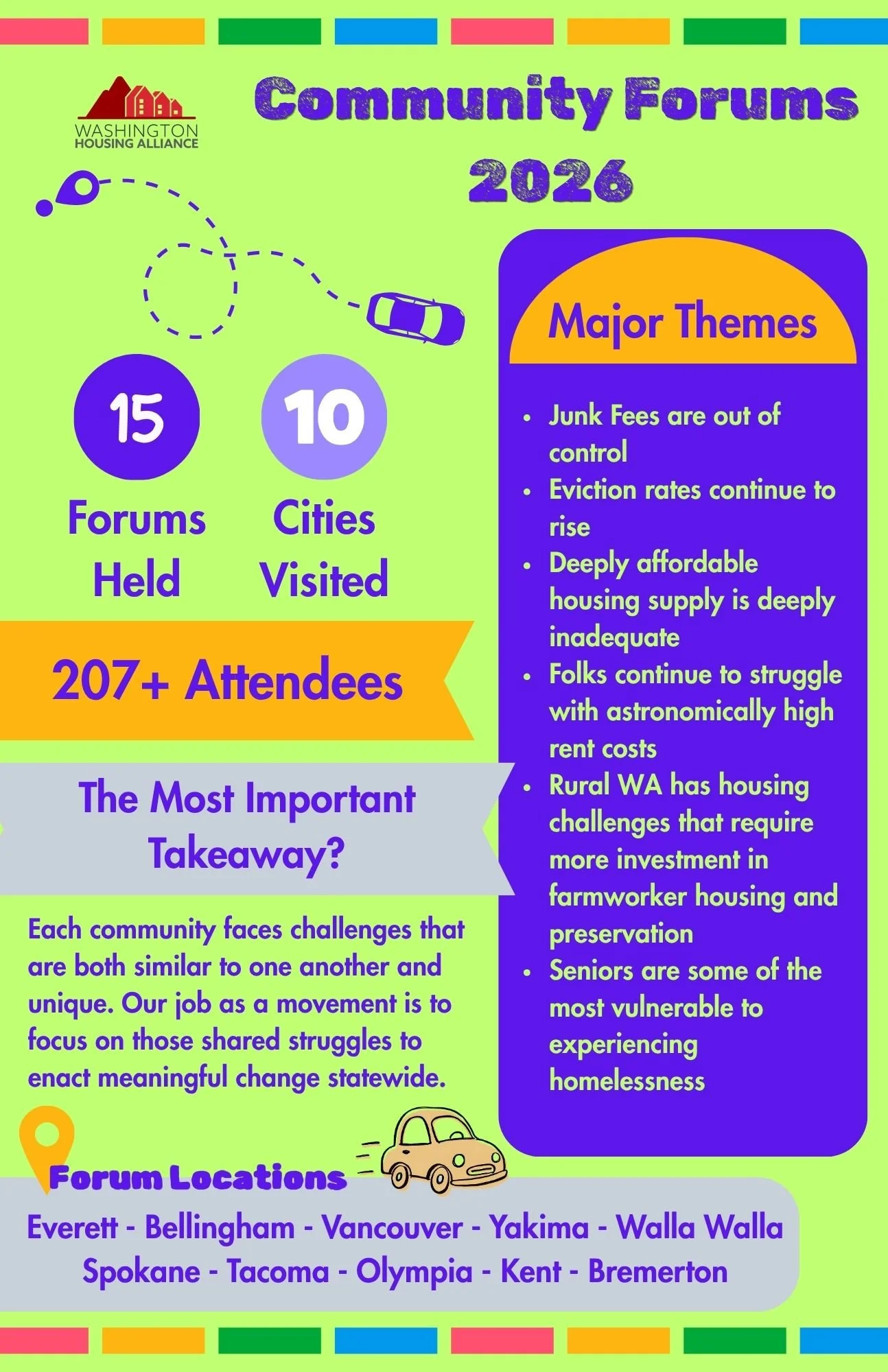
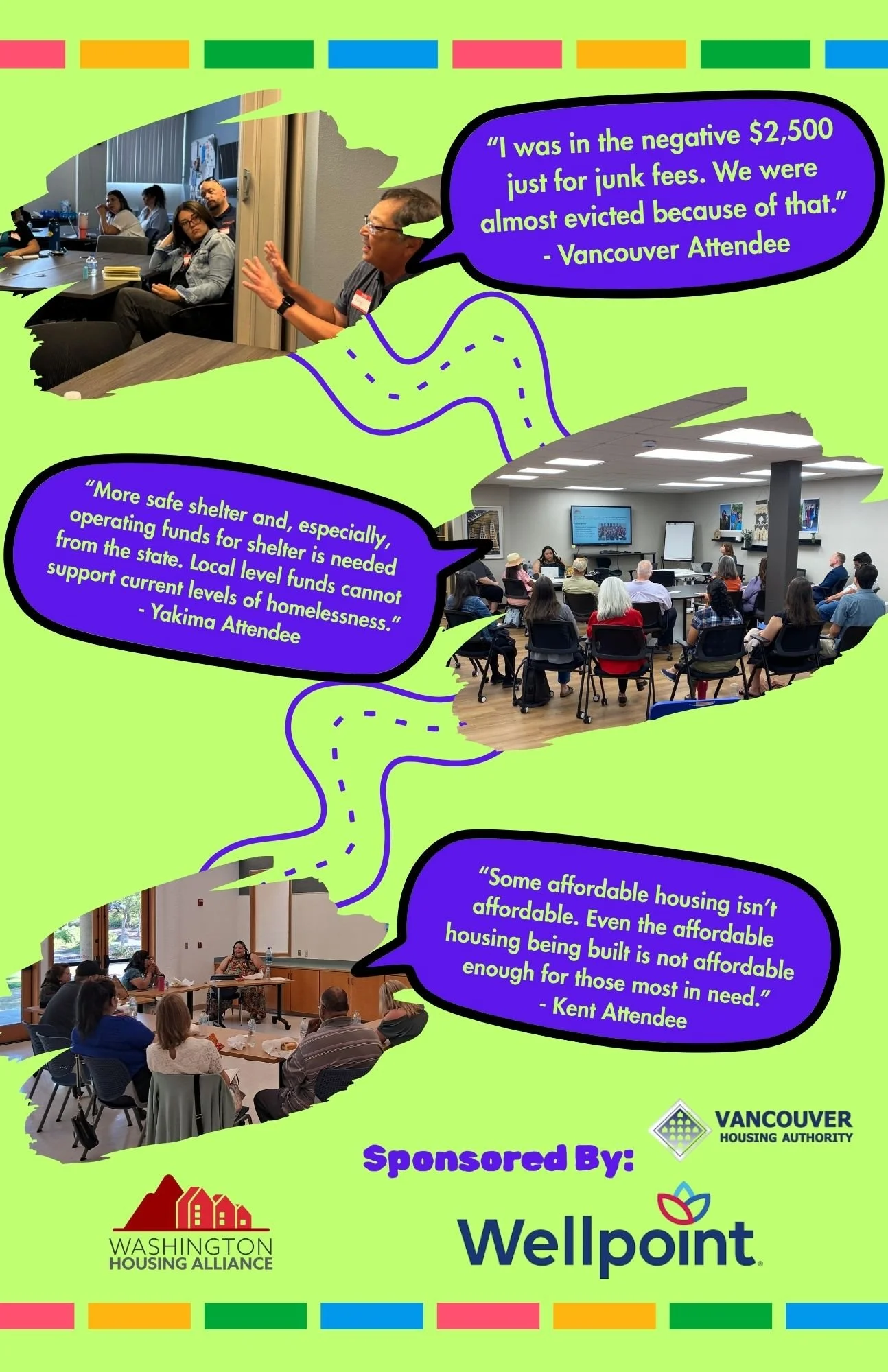
We gathered input through community forums in ten cities, virtual forums focused on rural communities and people with lived experience of housing instability or homelessness, and an online survey. We also held forums for member organizations and offered a Spanish-language forum.
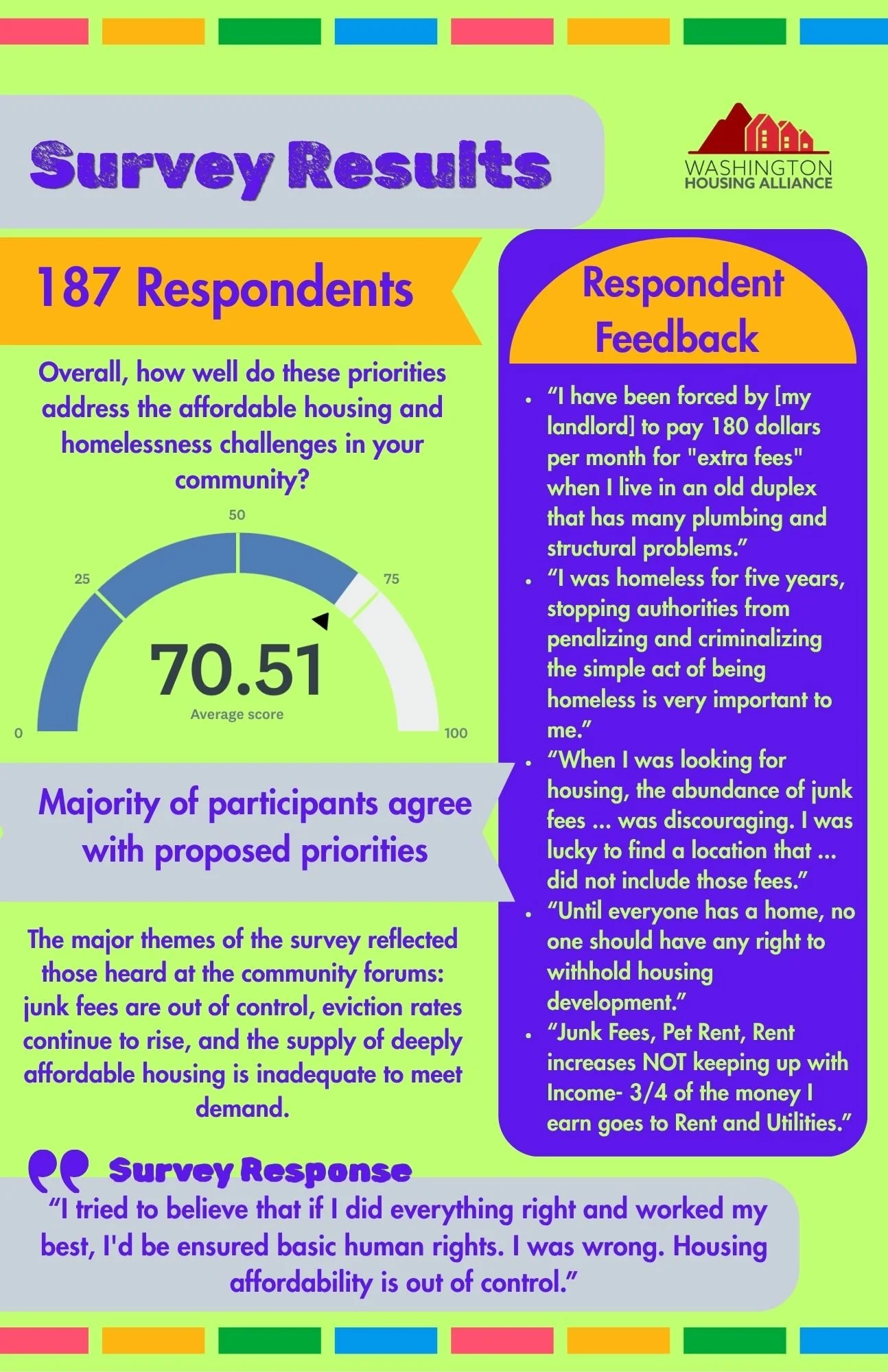
In all, 207 people registered for a community forum, and 187 completed the survey. Together, these conversations gave us important insight into the challenges different communities are facing and the solutions they want to see.
We heard from a diverse group of people, including renters, people who have experienced homelessness or housing instability, people with disabilities, housing and homelessness service providers, and advocates from communities across Washington. Nearly half of survey respondents said they had previously experienced homelessness or significant housing instability. Forty-two percent of people who registered for a forum identified as Black, Indigenous, or a person of color.
These conversations were not intended to be a representative survey of everyone in Washington. But the themes that came up repeatedly offer important guidance for our work.
What we heard
Housing costs are out of reach for too many people.
Across the state, people described rents and home prices rising faster than wages, disability benefits, and other incomes. Even housing labeled affordable can be beyond reach. Communities need more homes at a range of affordability levels, including deeply affordable and accessible housing, larger homes for families, permanent supportive housing, and affordable homeownership opportunities.
Building affordable homes is essential, but it isn't enough.
Participants strongly supported public investment in affordable housing construction. They also emphasized the need for ongoing funding to operate and maintain housing and provide services. Providers described rising insurance costs, unstable funding, and cash-flow challenges that make it difficult to operate affordable housing, especially for people with the lowest incomes. Behavioral health care, disability services, and other supports are also essential to helping people stay housed.
Protecting programs that end homelessness must be a priority.
Protecting homelessness programs received the strongest support in the survey, with 80% of respondents identifying it as one of their highest priorities. Across the state, people are concerned about unstable federal funding and the federal government’s attempts to undermine programs and models that work. Participants also highlighted shortages of shelter, rental assistance, housing vouchers, supportive housing, and frontline staff.
Preventing homelessness means helping people before they lose their homes.
Participants supported preserving Right to Counsel, which provides legal representation for eligible tenants facing eviction. They also called for earlier intervention, including rental assistance, rental-debt relief, tenant education, and foreclosure prevention. People described how eviction records can make finding another home difficult, sometimes for years.
Tenants need stronger protections and fairer treatment.
Participants raised concerns about poor housing conditions, unlawful lease provisions, discrimination, excessive rent increases, and weak enforcement of existing protections. Junk fees were another common concern. Pet rent, valet garbage, utility billing fees, and other mandatory fees are making housing much more expensive than the advertised rent. Sixty-two percent of survey respondents identified banning junk fees as a highest priority, and nearly 94% said it was at least important.
People need housing options, not punishment, when they have nowhere to go.
Nearly 70% of survey respondents identified protecting people experiencing homelessness from criminalization as a highest priority. Participants discussed encampment sweeps, safe parking, and the lack of shelter and other safe places to go. They emphasized that removing an encampment without a realistic alternative does not solve homelessness.
Housing solutions must reflect local needs.
Rural and smaller communities face distinct challenges, including limited infrastructure, construction workforce shortages, high development costs, and fewer resources to navigate complicated funding systems. Participants also raised barriers created by rental screening requirements, including credit scores, criminal records, eviction histories, and income requirements. Across the state, people called for housing and services that work for seniors, people with disabilities, LGBTQIA+ people, immigrants and refugees, young people leaving systems of care, and families of different sizes.
How we'll use what we heard
All seven proposed priorities received broad support in the survey, and respondents gave our proposed agenda an average score of about 71 out of 100 for how well it addressed housing and homelessness challenges in their communities.
People also identified areas where more work is needed, including broader tenant protections and homelessness prevention, public and social housing, behavioral health services, and affordable homeownership.
This input helped shape the Housing Alliance's 2027 policy and advocacy priorities which were adopted by our board in September. Just as importantly, the forums helped us build relationships with people and organizations working for housing justice in communities across Washington.
Thank you to everyone who shared their experiences, ideas, and hopes for the future!